Reclaiming Sensation, Restoring Independence: A Hope-Filled Integrative Approach to Neuropathy

If you’ve been told that numbness, burning, or loss of balance is something you simply have to “live with,” you are not alone—but you are not without hope. Neuropathy can feel frightening and isolating, especially when everyday activities like walking, driving, or even standing in the kitchen begin to feel uncertain. Yet the nervous system is not static; it is dynamic and capable of change. Through a thoughtful combination of time-tested acupuncture and modern integrative, regenerative medicine techniques, we focus on supporting nerve repair, calming inflammation, and helping your body restore function from the inside out—so you can regain sensation, confidence, and the independence that matters most.
Neuropathy is more common than most people realize — and far more serious than “just numb feet.” At Inner Wisdom Acupuncture & Herbal Medicine, we see firsthand how nerve damage can quietly erode balance, sleep, confidence, and independence.
The truth is, there is hope!
How Many Americans Have Neuropathy?
Peripheral neuropathy affects an estimated 20 million Americans. Some research suggests the number may be closer to 30 million, as many cases go undiagnosed.
Even more concerning:
Studies estimate that 25–50% of people with neuropathy are undiagnosed
Up to 50% of people with diabetes will develop neuropathy
Nearly 60–70% of people undergoing chemotherapy experience chemotherapy-induced peripheral neuropathy (CIPN)
That means millions are living with symptoms — often believing it is “just aging.”
Common Symptoms of Neuropathy
Neuropathy can affect sensory, motor, or autonomic nerves.
Sensory Symptoms

Numbness in feet or hands
Tingling or “pins and needles”
Burning or electric pain
Hypersensitivity to touch
Feeling like you’re wearing socks when you’re not
Motor Symptoms
Weakness
Muscle cramping
Poor coordination
Foot drop
Autonomic Symptoms
Dizziness upon standing
Digestive irregularities
Temperature regulation problems
Many patients tell us:
“I can’t feel the ground anymore.” “I’m afraid of falling.” “My sleep is terrible because my feet burn at night.” "It feels like I am wearing fuzzy socks all of the time." "I will get an occasional zap on the side of my foot."
Causes of Neuropathy
1. Diabetic Neuropathy
The most common form. Elevated blood sugar damages small blood vessels that nourish nerves.
2. Chemotherapy-Induced Neuropathy (CIPN)
Often described as numbness and tingling beginning during or after treatment.
The encouraging news: Once chemotherapy ends, this type is often one of the most responsive to regenerative therapies because the primary toxic insult has stopped.
3. Idiopathic Neuropathy
“Idiopathic” means no known cause. This accounts for nearly 30% of cases. Often there are hidden contributors: inflammation, nutrient deficiencies, autoimmune processes, or microvascular damage.
4. Other Causes
Autoimmune conditions
Lyme disease
Alcohol use
B12 deficiency
Medication side effects
Toxin exposure
What Happens If Neuropathy Is Not Treated?
Neuropathy is often progressive.
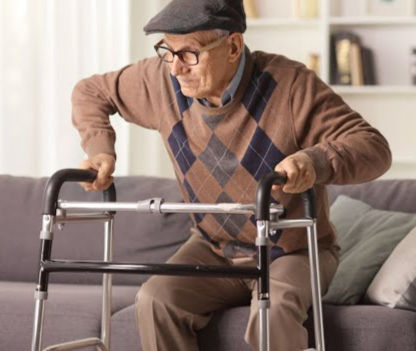
Without intervention:
Numbness spreads upward
Balance declines
Falls increase
Wounds go unnoticed
Infection risk rises
Driving and daily activities become unsafe
Loss of sensation is dangerous.
One patient stepped on glass in his kitchen and did not realize it until he noticed blood on the floor. That is how silently neuropathy progresses.
When sensation fades, so does confidence. And when confidence fades, independence follows.
Conventional Treatment: Symptom Suppression
Medications like Gabapentin and Pregabalin are commonly prescribed.
They may reduce pain signals — but they do not repair nerves.
Potential side effects can include:
Drowsiness
Brain fog
Weight gain
Swelling
Mood changes
Increased fall risk
Some studies have raised concerns about long-term cognitive effects in older adults, including possible associations with increased dementia risk. While research is ongoing, this is an important discussion for patients already concerned about cognitive decline.
Masking symptoms is not the same as restoring function.
What Does the Research Say?
Research continues to grow in support of acupuncture as a safe and promising therapy for peripheral neuropathy. Systematic reviews and randomized controlled trials have shown that acupuncture may:
Improve nerve conduction velocity
Reduce neuropathic pain
Decrease tingling and numbness
Improve functional outcomes and quality of life
In patients with diabetic neuropathy, meta-analyses report measurable improvements in nerve signaling and symptom severity.
For chemotherapy-induced peripheral neuropathy (CIPN), a randomized clinical trial published in JAMA Network Open found that acupuncture significantly reduced symptom severity in breast cancer survivors compared to usual care.
While more large-scale studies are ongoing, current evidence suggests acupuncture is both well-tolerated and clinically meaningful for many patients living with neuropathy.
The Hope: Regenerative & Integrative Therapies
At Inner Wisdom Acupuncture & Herbal Medicine, our approach is different.
We combine the time-tested wisdom of acupuncture with modern integrative and regenerative medicine techniques to:
Increasing microcirculation
Reducing inflammation
Supporting mitochondrial repair
Encouraging nerve regeneration
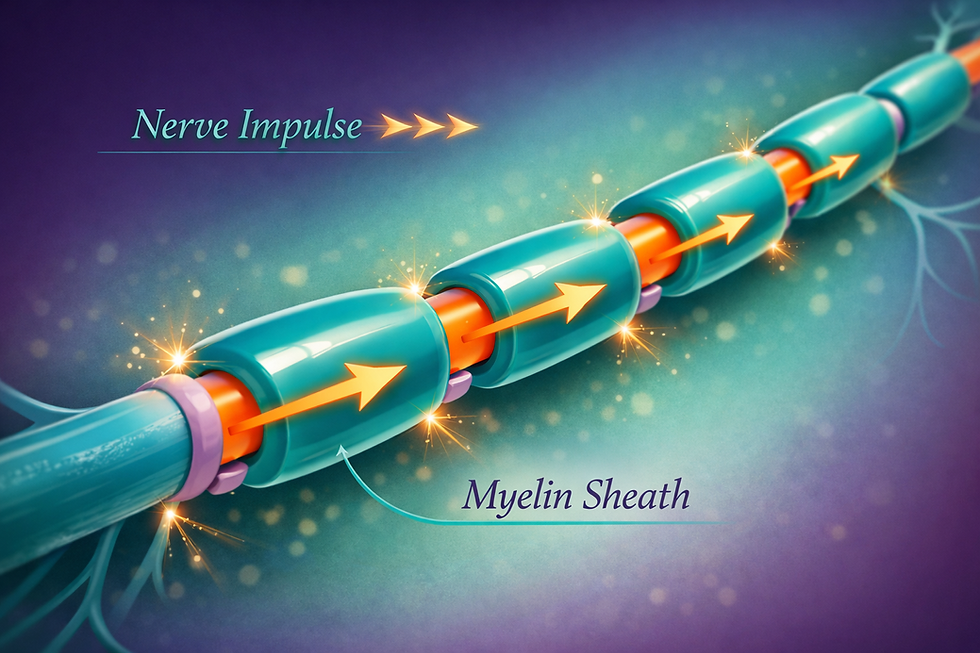
Stimulating re-myelination
What Does That Mean?
Nerves are wrapped in a protective coating called the myelin sheath. When that sheath becomes damaged, signals misfire. Integrative therapies such as acupuncture and targeted regenerative treatments aim to:
Improve blood flow to small nerve fibers
Stimulate nerve growth factors
Encourage restoration of the myelin sheath
Improve proprioception and balance
Reduce nighttime burning
Improve sleep quality
Support immune balance
Patients often report:
Improved sensation
Warmer feet
Better stability
Reduced fear of falling
Deeper sleep
Renewed confidence
We design personalized programs to help turn back the clock — restoring function and preserving independence. Neuropathy does not have to mean decline.
Maintaining Independence Matters

When balance improves, falls decrease. When sleep improves, healing accelerates. When sensation returns, confidence rises.
Your nervous system has the capacity to heal — especially when we remove inflammatory obstacles and provide targeted support.
The earlier neuropathy is addressed, the better the outcome.
You Are Not Without Options
Neuropathy can feel like a slow fading of sensation, stability, and confidence—but it does not have to define the rest of your story. The nervous system has an incredible capacity to respond when given the right support. With a personalized, drug-free integrative approach healing is not only possible—it is something we actively work toward together.
For over 30 years, Dr. Jessica has helped patients living with neuropathy restore sensation, improve balance, and regain their independence. If you are ready to explore a different path—one rooted in compassion, science, and hope—we would be honored to walk alongside you on your healing journey.
Call us at 360-443-6508 to book a consultation today and take the first step toward reclaiming sensation and restoring your independence.
Watch a testimonial video below to hear firsthand from a patient about their experience with neuropathy treatment and care.
References
Zhang, S., Wu, B., Liu, J., Li, Y., & Huang, G. (2021). Acupuncture for diabetic peripheral neuropathy: A systematic review and meta-analysis of randomized controlled trials. Frontiers in Endocrinology, 12, 726753. https://doi.org/10.3389/fendo.2021.726753
Chen, H., Zhang, M., Bian, Z., & Wang, Y. (2017). Effects of acupuncture on diabetic peripheral neuropathy: A meta-analysis of randomized controlled trials. Medicine, 96(39), e8290. https://doi.org/10.1097/MD.0000000000008290
Bao, T., Goloubeva, O., Pelser, C., Porter, N., Primrose, J., & Seluzicki, C. (2020). Acupuncture for chemotherapy-induced peripheral neuropathy in breast cancer survivors: A randomized clinical trial. JAMA Network Open, 3(3), e200681. https://doi.org/10.1001/jamanetworkopen.2020.0681
Lu, W., Giobbie-Hurder, A., Freedman, R. A., Shin, I. H., Lin, N. U., Partridge, A. H., & Winer, E. P. (2019). Acupuncture for chemotherapy-induced peripheral neuropathy in breast cancer survivors: A randomized controlled pilot trial. Cancer, 125(15), 2595–2604. https://doi.org/10.1002/cncr.32182
Dimitrova, A., Murchison, C., Oken, B., & Li, J. (2017). Acupuncture for the treatment of peripheral neuropathy: A systematic review and meta-analysis. Journal of Alternative and Complementary Medicine, 23(3), 164–179. https://doi.org/10.1089/acm.2016.0155

